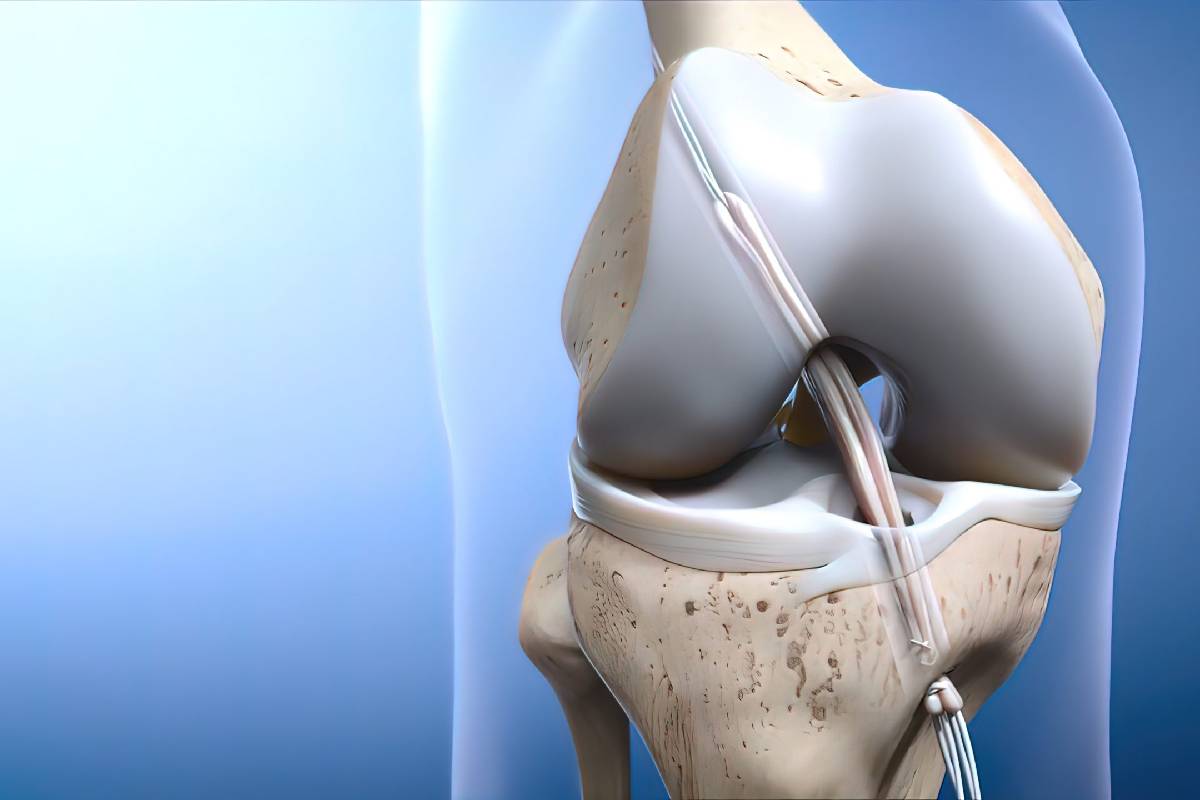
Introduction – Advanced Orthopedic Care for ACL Replacement
ACL injuries can dramatically affect your mobility, stability, and daily activities, making even simple movements like walking or climbing stairs difficult. At our clinic, Dr. Nandakumar Natarajan, a seasoned orthopedic surgeon specializing in ACL and knee replacement surgeries, leads the ACL replacement program. His expertise ensures patients receive advanced orthopedic care using modern surgical techniques tailored to their unique needs.
Each patient is provided with a customized treatment plan based on the severity of the injury, activity level, and long-term goals. We combine precision surgery with structured rehabilitation to help patients regain knee stability, reduce pain, and return to an active lifestyle safely and effectively.
Understanding ACL Replacement Surgery
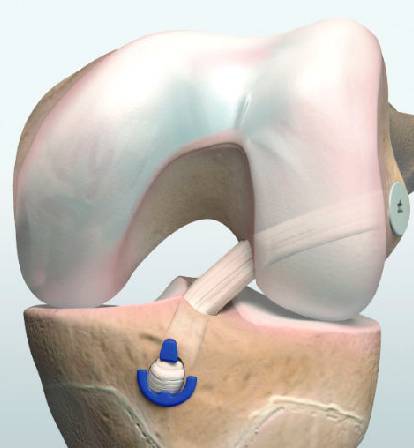
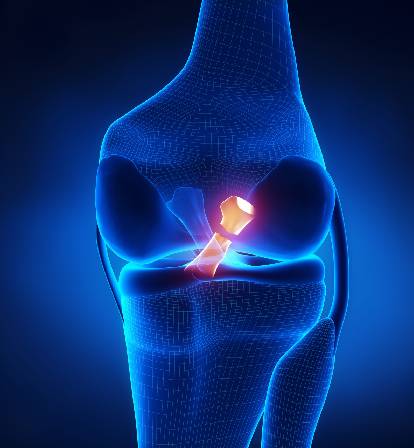
ACL replacement surgery involves reconstructing a torn or severely damaged anterior cruciate ligament using a graft, which may be taken from the patient’s own tendon or a donor. This procedure restores knee stability, prevents future injuries, and improves overall mobility.
In some cases, ACL replacement is combined with knee replacement procedures for patients with joint degeneration or chronic instability. Modern arthroscopic techniques make the surgery minimally invasive, reducing pain, scarring, and recovery time while ensuring precise placement and optimal knee function.
Common Reasons for ACL Replacement
- Complete ACL tear
- Chronic knee instability
- Sports-related ligament injuries
- ACL damage combined with knee joint issues
- Failed conservative treatments
Who Should Consider ACL Replacement
ACL replacement is recommended for individuals experiencing recurrent knee instability or those whose activity is limited by ligament injury. Even partial tears may require surgery if non-surgical options like bracing or physiotherapy do not restore stability.
Each patient is evaluated thoroughly, considering age, activity level, and knee condition. ACL replacement in Nanganallur is particularly suited for athletes, active individuals, or anyone needing long-term knee stability to return to normal life or sports safely.
Candidates Include
- Athletes with frequent knee injuries
- Active individuals with instability
- Patients with recurrent ligament tears
- People struggling with daily knee movements
- Those seeking long-term knee stability and function
Why Choose Our Clinic for ACL Replacement
Selecting the right orthopedic center ensures better surgical outcomes and a smoother recovery. Our clinic emphasizes advanced orthopedic care, patient-centered planning, and thorough guidance throughout the treatment process.
Patients benefit from personalized surgical strategies and post-operative rehabilitation programs. With clear communication on ACL replacement cost, ACL replacement options in Nanganallur, and expected recovery, patients feel informed and confident in their treatment journey.
What Patients Appreciate
- Personalized surgical planning
- Minimally invasive arthroscopic techniques
- Transparent ACL replacement cost
- Post-surgery physiotherapy guidance
- Comprehensive follow-up care
How ACL Replacement Surgery Is Performed
ACL replacement is performed arthroscopically using small incisions and a camera for precise visualization. The torn ligament is replaced with a graft, and careful fixation ensures knee stability and alignment.
This minimally invasive approach reduces tissue damage, pain, and scarring while promoting faster recovery. When necessary, ACL replacement can be combined with knee replacement ACL procedures to address joint damage comprehensively, improving overall function.
Surgical Focus Areas
- Accurate graft placement and fixation
- Minimal tissue disruption
- Restoration of knee stability
- Prevention of recurrent injuries
- Optimization of long-term knee function
Pre-Surgery Care
Proper preparation before ACL replacement surgery is essential for optimal outcomes. Patients are guided on muscle strengthening, flexibility exercises, and overall health optimization to support recovery.
Education about the procedure, expected outcomes, and post-operative rehabilitation helps patients actively participate in their healing process. Well-prepared patients typically experience faster recovery, reduced complications, and better long-term knee stability.
Pre-Surgery Preparation Includes
- Comprehensive medical evaluation and imaging
- Strengthening and flexibility exercises
- Pain management planning
- Education about ACL and knee replacement in Nanganallur
- Lifestyle optimization guidance
Post-Surgery Recovery and Rehabilitation
Recovery after ACL replacement requires commitment to physiotherapy, mobility exercises, and careful monitoring. Early movement and structured rehabilitation help restore strength, flexibility, and full knee function.
Our clinic provides tailored post-operative care and monitors progress closely. Following the recommended rehabilitation plan allows patients to regain confidence, resume daily activities, and eventually return to sports or physically demanding tasks safely.
Recovery Focus Areas
- Physiotherapy and muscle strengthening
- Pain and swelling management
- Gradual mobility training
- Regular progress assessments
- Long-term knee care and joint maintenance
Long-Term Benefits of ACL Replacement
ACL replacement restores knee stability, prevents further injuries, and improves confidence in movement. Patients often notice significant improvements in walking, sports performance, and everyday activities after surgery and rehabilitation.
Long-term benefits are maximized with proper post-operative guidance, strengthening exercises, and lifestyle modifications. With care, the reconstructed ACL can remain strong and stable for years, allowing patients to return to active lifestyles safely.
Long-Term Benefits Include
- Restored knee stability and function
- Improved mobility and range of motion
- Reduced risk of future injuries
- Increased confidence in daily activities and sports
- Enhanced quality of life
Importance of Choosing an ACL Replacement Specialist
Experience is vital in ACL replacement surgery. A skilled specialist ensures accurate diagnosis, precise surgical execution, and a comprehensive rehabilitation plan for optimal outcomes.
Choosing a clinic with advanced technology and an experienced team reduces complications, shortens recovery time, and ensures long-term knee stability. Expert guidance helps patients feel supported throughout the surgical journey.
Why Specialized Care Matters
- Accurate diagnosis of ACL injuries
- Precision surgical technique
- Reduced post-operative complications
- Structured rehabilitation programs
- Long-term knee stability and function
Conclusion – Restore Knee Stability and Confidence
ACL injuries and instability don’t have to limit your life. With advanced orthopedic care, precision ACL replacement surgery, and structured rehabilitation, patients can regain full knee function and confidence in movement.
Our clinic provides a patient-centered approach to ACL replacement in Nanganallur, combining surgical expertise, comprehensive rehabilitation, and long-term follow-up to ensure the best outcomes and lasting satisfaction.
If knee instability or a torn ACL is affecting your life, schedule a consultation with our clinic today to explore ACL replacement options and take the first step toward a strong, stable, and pain-free knee.
FAQs – ACL Replacement Surgery
Yes, ACL replacement is considered a major orthopedic surgery, but it is usually performed using minimally invasive arthroscopic techniques. This reduces pain, scarring, and recovery time compared to open surgery.
Recovery typically takes 6 to 9 months, depending on the patient’s age, fitness, and adherence to physiotherapy. Return to high-impact sports may take up to 9–12 months.
After surgery and proper rehabilitation, the reconstructed ACL can become strong and stable, often allowing patients to return to normal activities and sports. Strength depends greatly on physiotherapy and muscle conditioning.
ACL surgery is technically advanced and requires an experienced orthopedic surgeon. For patients, the surgery itself is usually straightforward, but recovery and rehabilitation require time and commitment.
Most patients begin walking with support within a few days after surgery. Normal walking usually returns within a few weeks, while full knee function improves gradually with physiotherapy.

